The Advantages of Convection in Coffee Roasting

Why Airflow, Energy Transfer, and Uniformity Matter More Than Ever

Introduction

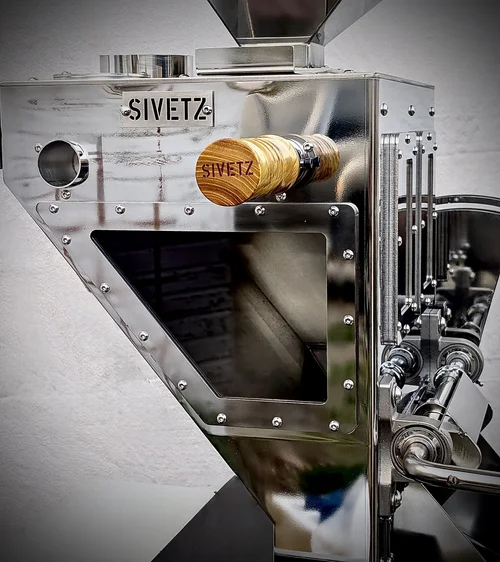
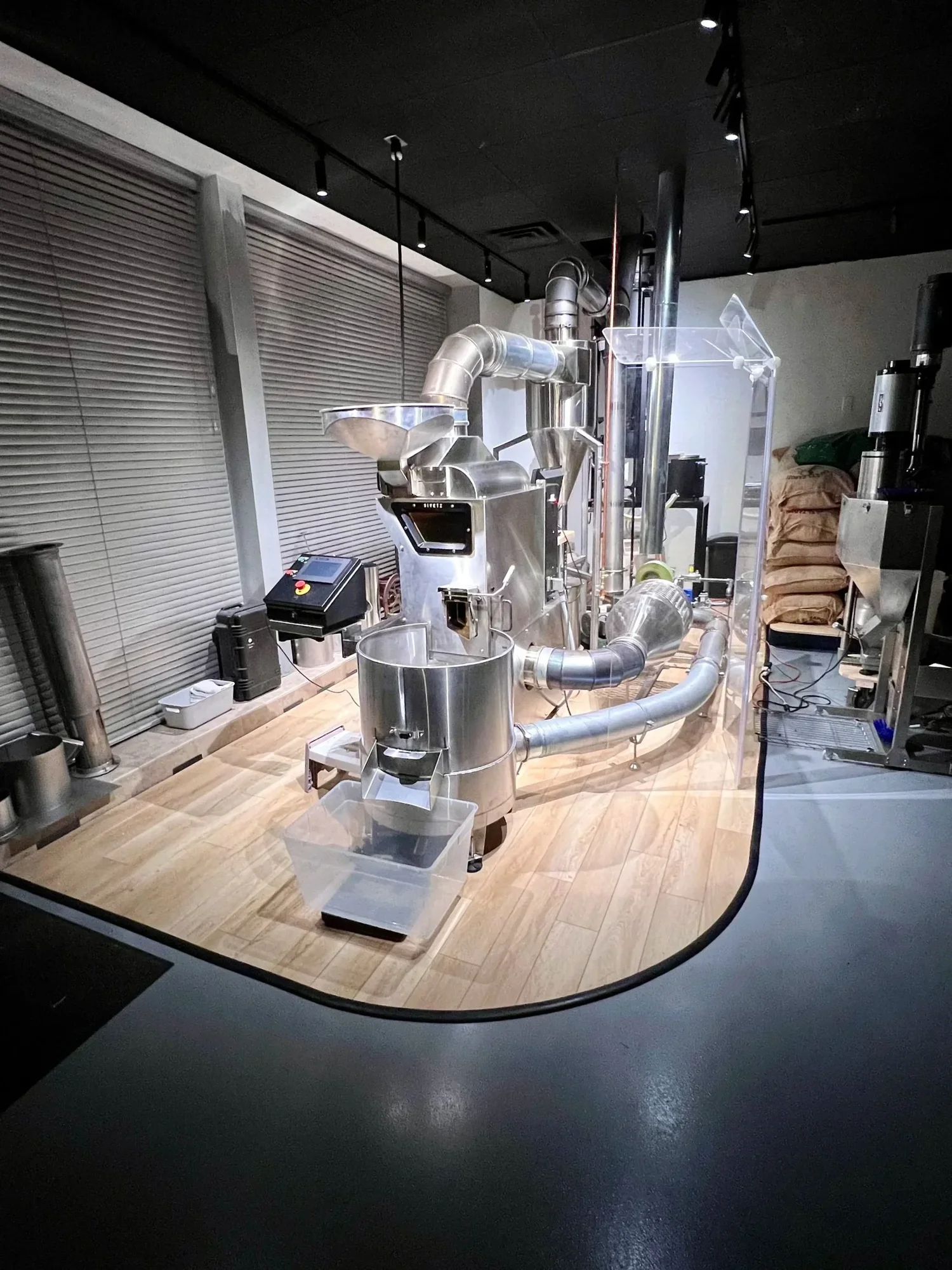
Convection roasting has become one of the most important topics in specialty coffee, especially as more roasters seek cleaner flavor, greater consistency, and more precise control of heat transfer. Unlike conduction-dominant machines that rely on hot metal surfaces, convection systems use moving hot air to evenly heat every bean. This is the foundation of fluid-bed roasting and the core principle behind the Sivetz design.

For those researching how convection works in coffee roasting, why air roasting produces cleaner cups, or the benefits of fluid-bed roasting, this article offers a clear technical overview of why convection is increasingly becoming the preferred approach for both craft and production environments.

Faster, More Even Heat Transfer

Convection surrounds every bean with a continuous stream of hot air. This results in a highly uniform thermal environment that eliminates hot spots and reduces both scorching and tipping.

The outcome is more predictable development, smoother progression through Maillard and caramelization, and a faster but controlled rise into first crack.
Cleaner Flavor Expression

Because the beans are heated by air rather than by contact with hot metal, they do not pick up the burned or smoky notes associated with conductive heat. Origin character stays intact, and the final cup presents with greater clarity, separation, and nuance.

Roasters often describe convection-forward coffees as cleaner, brighter, and more articulate in flavor.

Superior Smoke and Chaff Management

A high-airflow system naturally removes smoke and chaff from the roast chamber. This prevents smoke recirculation, which can otherwise introduce bitterness or dryness in the cup.

By maintaining a cleaner roast environment, convection supports more consistent and expressive flavor development.

Higher Thermal Efficiency and Faster Batch Turnaround

Because convection delivers heat directly and evenly, the roaster reaches operating temperature more quickly and recovers faster after each drop.

Benefits include:
• Shorter warm-up times
• Shorter Between-Batch-Protocol (BBP) times
• Higher hourly throughput
• Greater batch-to-batch consistency
• Reduced total energy use

For production roasting, these time savings create significant operational advantages.

Improved Control and Repeatability

Convection-based systems respond instantly to changes in airflow or gas modulation. Since the beans are suspended in the air stream, small adjustments translate to immediate changes in the roast environment.

This allows roasters to:
• Maintain tighter Rate-of-Rise control
• Make precise mid-roast corrections
• Adapt quickly to environmental or seasonal variation
• Repeat profiles with greater accuracy

Reduced Mechanical Wear and Lower Maintenance

Although the SRM15 uses a belt-driven system to operate its main New York Blower fan (GI 146 with a 3 horsepower motor), convection-dominant roasters still experience less overall mechanical stress than conduction-heavy drum machines. The primary mechanical components to monitor on a fluid-bed system are the fan belt and motor, which require periodic inspection and routine maintenance.

What fluid-bed systems avoid are:
• Drum bearings and rotating drums
• High mechanical friction points
• Uneven thermal expansion across large metal surfaces
• Complex assemblies tied to drum rotation

By reducing the number of high-heat mechanical interfaces, convection-forward roasters simplify long-term upkeep and eliminate many of the failure modes associated with traditional drum designs.

Sustainability Advantages

More efficient heat transfer, cleaner combustion, and shorter roast times contribute to a more sustainable roasting process. Many operators see measurable reductions in fuel use and emissions when switching to convection-forward systems.

Conclusion

Convection has become a defining feature of modern coffee roasting. It offers the precision, consistency, and flavor clarity that today’s roasters demand, while also improving efficiency and reducing maintenance.

These principles have been at the core of Sivetz roasters from the beginning. As the industry continues to move toward higher airflow and more data-driven roasting, convection is no longer an alternative method. It is the future.


Next
Next

IT/BT Profiling: what is it, and what are the advantages?